Discovering Ancient Marsala – Cumulative Ticket

[Cumulative ticket for access and guided tour to: S.Maria della Grotta, Latomie dei Niccolini, Ipogeo Crispia Salvia]

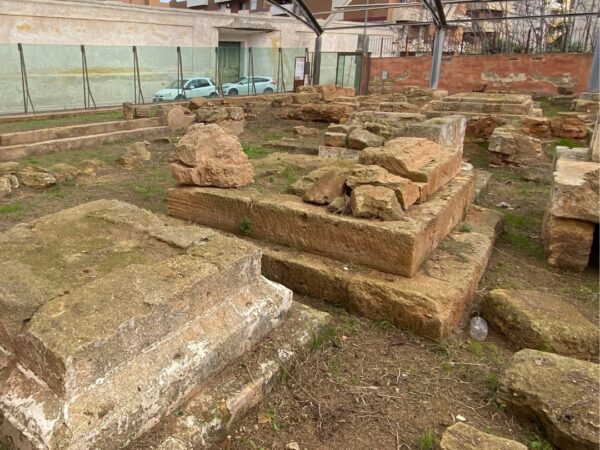
Discover the rich history of Marsala, a thousand-year-old city that preserves the priceless traces of its past. Its vivid mosaics and affresque, monumental necropolis and exceptionally preserved relics will revive the excitement of a time long gone! From the splendor of ancient Punic and Roman Lilybaeum, with its domus and termini, first Christian communities and medieval treasures: an affascinating journey through history, art and culture.

Thus, the Complex of Santa Maria della Grotta, the Latomia dei Niccolini and the Hypogeum of Crispia Salvia can finally be visited continuously, every weekend with a special Single Ticket valid for 48 hours (that is, all day Saturday and Sunday) that includes visits to all three monuments. Thus, these three prestigious sites can now be enjoyed thanks to visits by archaeologists and specialists.

OPENING DAYS AND OPENING HOURS OF THE THREE MONUMENTS: Saturday and Sunday.
– Saturday from 4:00 p.m. to 7:00 p.m.
– Sunday from 10:00 a.m. to 1:00 p.m. and 4:00 p.m. to 7:00 p.m. (last admission 6:00 p.m.)
Please note that the visit to the 3 monuments takes about 3 hours.

CUMULATIVE TICKET (S. Maria della Grotta+Latomy of the Niccolini+Hypogeum of Crispia Salvia): €12 full/€7 reduced (under 18 and students under 26)

FOR INFORMATION, GROUP RESERVATIONS AND MORE:
mobile: 3514849420 | email: lilibeo@archeofficina.com

Choose a shift on the calendar

Buy your ticket

Discovering Ancient Marsala – Cumulative Ticket

7,00  - 12,00 

CUMULATIVE TICKET: €12 full/€7 reduced (under 18 and students under 26)
The ticket is valid 48 hours from the first validation. In the next panel select ONLY the first monument, day and shift from which to begin your tour.
.
PLEASE NOTE: The tour of the three sites takes about 3 hours. Therefore, it is not possible to visit all monuments on the same day by booking the first visits at 17:00 and 18:00 or 12:00 and 13:00. For this reason, the ticket is valid for 48 hours. Thank you for your attention.

DAYS AND TIMES: Saturdays and Sundays.
– Saturday from 4:00 p.m. to 7:00 p.m.
– Sunday from 10:00 a.m. to 1:00 p.m. and 4:00 p.m. to 7:00 p.m. (last entry 6:00 p.m.)

FOR INFORMATION, GROUP RESERVATIONS AND MORE:
mobile: 3514849420 | email: lilibeo@archeofficina.com
How to get to the site

Additional information

  • The church of Santa Maria della Grotta, with its thousand-year history and cultural layers, is a must-see for anyone visiting Sicily. From Punic tombs to Byzantine decorations, every corner of this complex tells a part of the history of Marsala and the different civilizations that have inhabited it. The Baroque church, with its wide nave and dome covered in green tiles, offers a unique visual experience, while the underground frescoes testify to the importance of Greek monasticism in the region.
  • the Latomie dei Niccolini, a fascinating archaeological area that combines history and art. Ancient Roman quarries, these latomie were transformed into cemeteries by the early late antique Christian community. Admire the frescoes, polychrome mosaics and floral decorations that adorn the burials. Travel back in time between the 3rd and 4th centuries AD, immersed in the beauty and spirituality of the garden of the Augustinian Fathers’ convent. The cemetery complex is one of the most important examples of Christian funerary art in Lilybaeum and Sicily, with frescoes and mosaics that recall Hellenistic-Alexandrian and North African culture. The site offers not only a historical-archaeological visit, but also gives an exciting and evocative experience, being immersed in an ancient garden, grown within an old quarry.
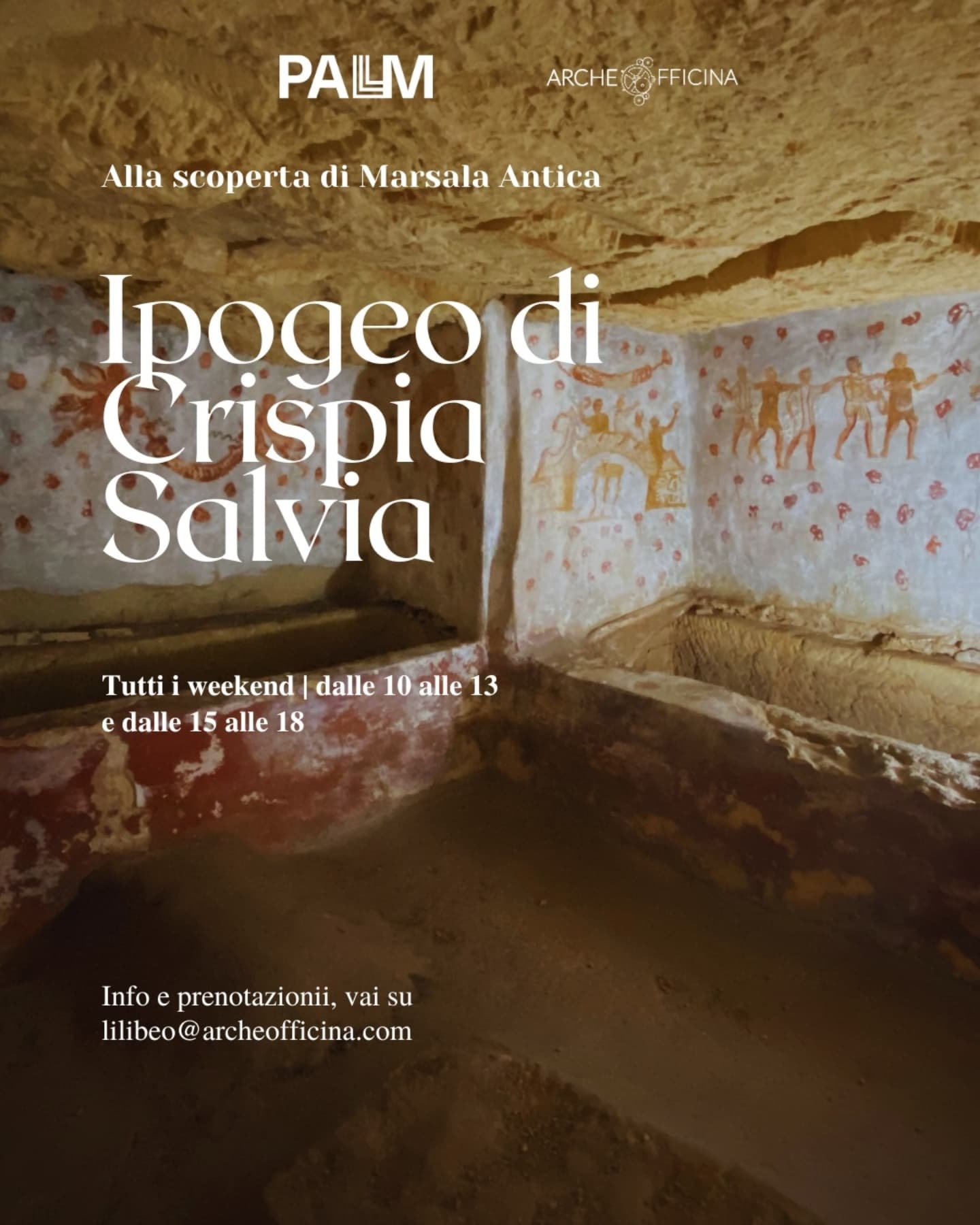
  • The painted hypogeum of Crispia Salvia, with its extraordinary pictorial decoration, is a must-see for anyone visiting Lilybaeum. This hypogean burial chamber offers a fascinating window into the funerary life and traditions of the imperial and late Roman periods. Visitors can admire the vivid figurative scenes and symbols that decorate the walls, immersing themselves in a unique atmosphere that tells stories of ancient religiosity and memory. A visit to this monument not only enriches historical knowledge but also provides an exciting and evocative experience, allowing visitors to explore a place where art and spirituality meet in a timeless dialogue.